Why the First Listing Photo Matters (and How to Choose It)
Everything else in your listing is downstream of one image. Buyers scroll a grid of thumbnails, and the lead photo is the only thing standing between your listing and the next one. It gets a glance, at thumbnail size, often on a phone and at thumbnail size.
The first listing photo should give a buyer a clear reason to look more closely at the rest of the gallery.
Which is why the default choice, front of the building, shot from across the street, is frequently the wrong one.
How to Choose the First Listing Photo
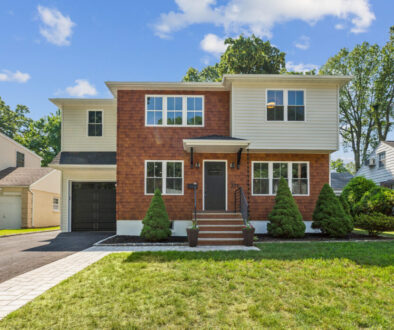
For a house with a lawn, a facade shot is the right hero. It shows scale, style, condition, and neighborhood in one frame. Fine.
Now apply that to a co-op on the fourth floor of a twelve-story prewar building. For many apartments, the exterior alone says less about the unit than a strong interior. But a distinctive building, entrance, amenity, or architectural setting can still make an effective lead.
Unless the building itself is the selling point, a landmark, a distinctive brownstone, something with real architectural presence, the hero should usually be inside.
What normally wins in a city listing
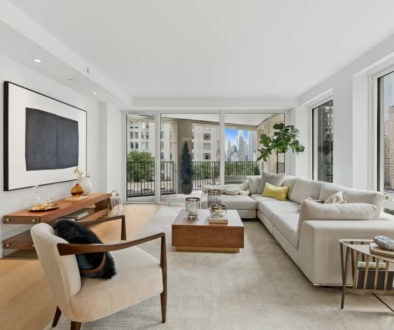
- The main living space with good light. Safe, honest, and it establishes scale immediately.
- The view. If there’s a skyline, a river, or a bridge, that’s the differentiator. Lead with it.
- A renovated kitchen. If real money went into it, it’s the strongest frame in the set.
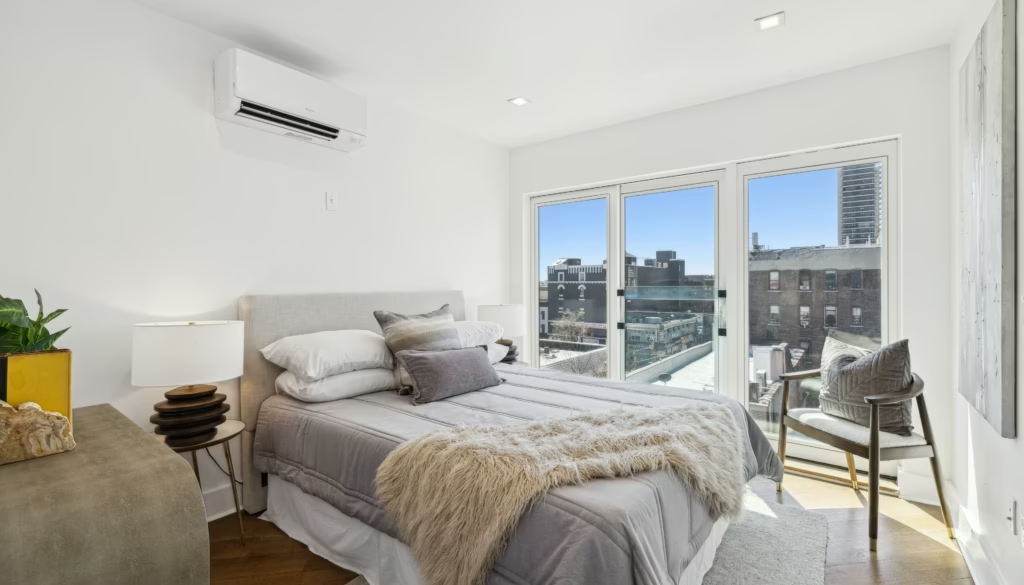
- Private outdoor space. A terrace or garden in Manhattan or Brooklyn is rare enough to lead with.
Pick the thing that’s genuinely unusual about the property. If the answer is “nothing,” pick the best-lit room and move on.
It has to survive being tiny
This is the part that gets missed. Your hero photo will be seen at a very small thumbnail size, next to eleven others, on a screen someone is holding at arm’s length.
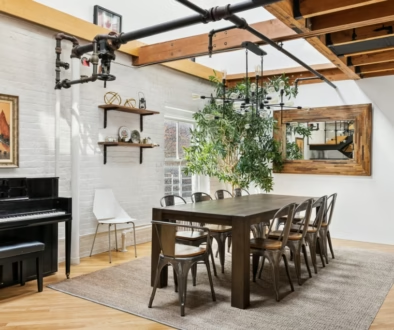
Frames that read at that size have a clear subject, strong contrast, and an obvious focal point. Frames that fail are busy, low-contrast, or split attention between three things. A gorgeous detail shot of custom tile is a great photo and a terrible thumbnail. Nobody can tell what they’re looking at.
Before you commit, shrink it on your phone. If you can’t tell what the room is in a second, pick something else.
Don’t oversell the opening
The hero can be your best frame. It can’t be a different apartment.
Leading with a heavily edited twilight shot and following it with twenty flat daytime interiors creates whiplash. The buyer who clicked because of frame one is disappointed by frame two, and now they’re evaluating everything skeptically.
The lead sets the standard. The rest of the gallery has to hold it.
Then the sequence takes over
Once the click happens, order does the work. Main living space, kitchen, primary bedroom, additional bedrooms, bathrooms, outdoor space, amenities. Buyers are building a mental map, and jumping between floors and rooms at random makes that harder than it needs to be.
If the apartment is vacant and the empty rooms make weak leads, virtual staging on one or two frames can give the opening something to hold onto. Use clear virtual-staging disclosure and follow the applicable MLS and brokerage rules.
The short version
Lead with what’s actually different about the property, make sure it reads at thumbnail size, and don’t write a check the rest of the gallery can’t cash.
Hudson Heights RES shoots real estate photography, floor plans, and virtual staging across New York City and the nearby metro area, delivery timing is confirmed when you book. Packages and pricing, or contact us.
NAR’s generational trends report is worth a skim on how differently age groups search, since the lead photo is doing most of the work on a phone screen.
Related reading: the mechanics of a good listing photo, what the sky is doing on shoot day, and how this plays into a listing presentation.
Chris Leary is the founder of Hudson Heights RES, which photographs listings across New York City and the nearby metro area.\n