How Many Photos Should a Real Estate Listing Have?
The right number depends on the property, its layout, and what buyers need to understand. The goal is enough coverage to answer useful questions without repeating the same view.
So, how many photos for a real estate listing? Enough to explain the property clearly, without repeating the same information.
Too few photos can leave buyers wondering what has not been shown. Six pictures of a three-bedroom means something is wrong with the fourth room. Too many reads as padding, and by frame thirty-eight nobody is looking carefully at anything.
How Many Photos for a Real Estate Listing?
Starting points, not rules:
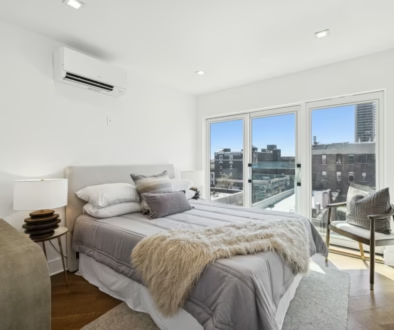
- Studio or small one-bedroom: 8 to 12. Main room from two angles, kitchen, sleeping area, bathroom, meaningful closet space, building entrance, plus a view or outdoor space if there is one.
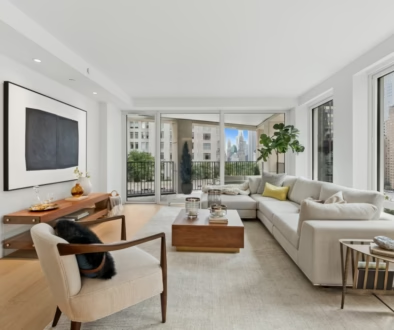
- Two-bedroom condo or co-op: 15 to 20. Living and dining, kitchen with a detail or two, both bedrooms, every bathroom, and whatever building amenities matter.
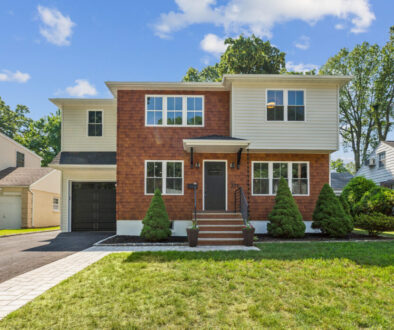
- Three-bedroom and up, houses, townhouses: 22 to 35. Every level, every bedroom, every bathroom, finished basement, yard, garage, and the exterior from more than one side.
A large house lands at the top of its range honestly. A studio that somehow produces twenty-eight photos has repeated itself.
The actual test for each frame
Not “is this a nice picture.” — Ask what this photo tells a buyer that no other photo in the gallery tells them.
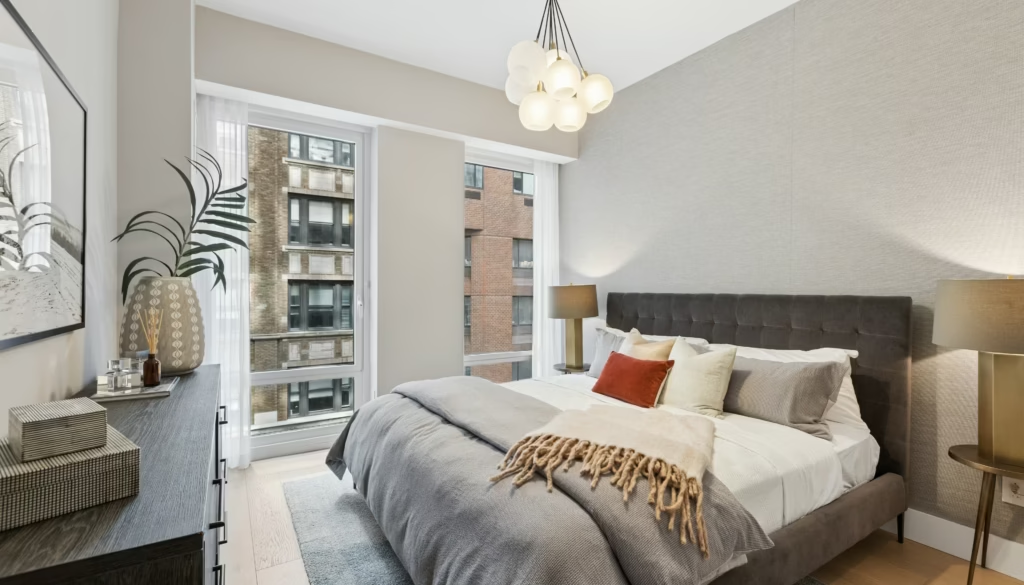
If three frames show the same secondary bedroom from angles two feet apart, that’s one photo and two pieces of filler. Pick the best and cut the others. A few redundant frames rarely add useful information for a buyer.
What actually earns a slot
- Every room a buyer would ask about, which is all of them
- Any angle that shows how two spaces connect
- Genuine architectural features: original detail, exposed brick, real millwork
- The view, if there is one worth the word
- Outdoor space, which is routinely under-shot and often half the reason someone is looking
- Building amenities, where the building allows it
What doesn’t earn a slot: a close-up of a decorative bowl, the inside of a standard closet, a hallway that leads to a room you’ve already shown, and the fourth angle of the living room.
The count problem that isn’t a count problem
Most of the time, when an agent wants more photos, what they actually want is for buyers to understand a layout that photos are bad at explaining. Adding hallway frames doesn’t fix that. A floor plan fixes it in one image, and it is often the clearest missing piece.
Short version
Cover everything a buyer would ask about, then stop. A tight, well-sequenced gallery where every frame earns its place beats a long one every time, and it’s less work for everybody.
Hudson Heights RES shoots real estate photography, floor plans, and virtual staging across New York City and the nearby metro area, with delivery timing confirmed when you book. Packages and pricing, or ask about a shoot.
If you want outside corroboration that gallery depth matters, National Association of Realtors research on how buyers search online tracks how heavily buyers lean on listing photos during search.
Related reading: wide shots versus detail frames, why the first frame carries the listing, and what makes a good listing photo./p>
Chris Leary is the founder of Hudson Heights RES, which photographs listings across New York City and the nearby metro area.